
Structural Drying & Dehumidification · Sterling Heights

Structural Drying and Dehumidification in Sterling Heights, MI

Pulling the water out is only half the job. The damp left inside your walls and floors is what we dry down to a reading you can trust.

Free Quote

Free Structural Drying & Dehumidification quote.

We reply within 1 business hour. No spam, ever.

Dehumidifiers staged removing moisture
What we install

We Dry Sterling Heights Homes Down to the Last Wet Stud

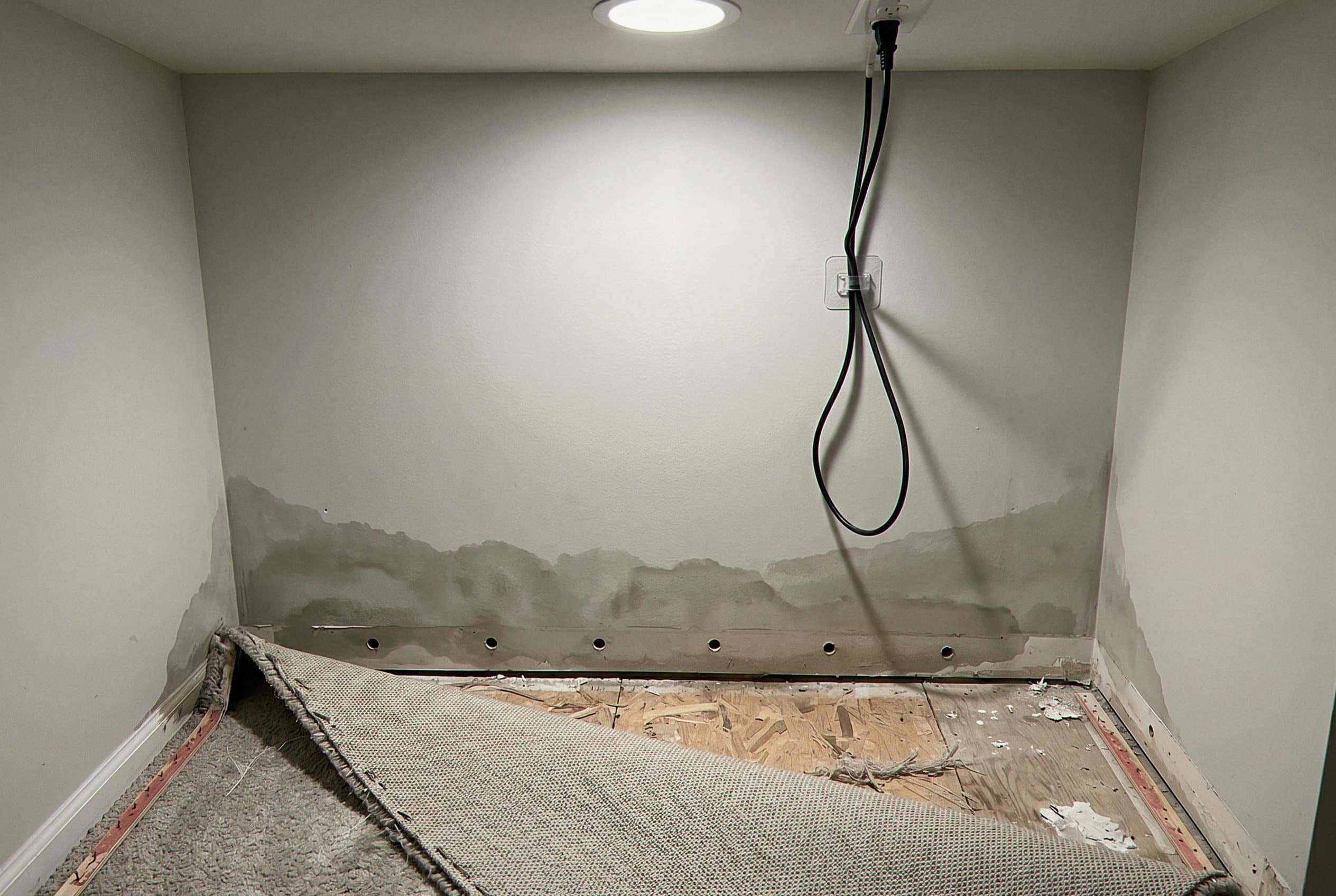
The puddle on the floor is the easy part. What worries us is the water that wicks up into drywall, soaks the framing, and pools under the subfloor where no towel will ever reach it. After a burst pipe or a basement flood, that hidden moisture spreads through your home for days. Our crew arrives, reads every wet material with a meter, and builds the drying plan around those numbers. This work anchors our full water damage restoration services, and we place the gear where the moisture actually sits, not where the room looks worst.

Drying a house is not a matter of pointing a fan at a wet spot and walking away. Water tucks itself behind baseboards, under cabinet kicks, and inside wall cavities the open air never touches. So we map the whole spread of moisture before a single machine goes down. Air movers throw fast air along the wet surfaces, which lifts the trapped water up into the room as vapor. Our dehumidifiers then grab that vapor and drain it back outside. Get the pair balanced and a soaked room turns dry in a matter of days. Get it wrong and the water simply shifts to a cooler wall and waits you out.

  • We meter every wet material, so the job ends on a number and not a hunch.
  • Air movers and dehumidifiers sized to your actual room, never one lonely fan for the whole floor.
  • Daily moisture logs that show your walls and framing trending back toward dry.
  • We chase the water into cabinets, wall cavities, and the subfloor, not just the open floor.
  • A home dried to the core shrugs off the mold and warping that show up months later.
A room is not dry because it feels dry under your hand. It is dry when the meter says so, and then says so again.

Sterling Heights weather works against a wet house in every season. The cold months trap damp air against the inside of your walls, while a muggy Macomb County summer drags out every drying job we run. We read the season into the plan and dial the dehumidifier load up or down so the room keeps shedding water no matter what the air outside is doing. We also check the spots most people forget, like the cavity beneath a tub or the base of a stud wall. When the meter on those hidden places reads dry and still reads dry on a second visit, we call the work finished.

Once water reaches your floors and walls, the clock on mold and rot is already ticking. Call us and our Sterling Heights crew will read the damage, set the drying gear, and stay on it until the whole structure reads dry. The sooner we get moving, the less of your home we ever have to open up to save the rest of it.

Materials

The Drying Gear We Bring and Why Each Piece Earns Its Spot

Good drying comes down to two machines that work as a team. Air movers are the low, wide fans that push a flat sheet of fast air right along a wet surface. That moving air pries the water out of the material and floats it into the room as vapor. We lay them out in a pattern so the air sweeps the entire room, not one lucky corner. Set too few and the floor stays damp. Crowd too many into the wrong spots and you burn power while a back wall sits wet and ignored.

The second machine is the dehumidifier, and it carries the real weight. Once the air movers load a room with vapor, the unit draws that water straight out of the air and drains it well away from the house. We size it to the volume of the wet space so it never falls a step behind. When we can, we seal the work area off, since drying one closed room beats wrestling the damp air of the whole building. Meters tie the whole effort together. They flag the moment a material crosses back into the safe range, and we write that number down so you can read it for yourself.

  • Air movers sweep fast air across wet floors and walls so the water rises as vapor
  • Dehumidifiers pull that vapor back out and drain it well away from your home
  • Moisture meters read each material so we dry to a number instead of a hunch
  • We seal off the work area so the drying stays focused and finishes sooner
What about the alternatives?

Your Choices for Drying Out a Wet Home, Weighed Straight

Once the standing water is gone, you still have to dry the parts of the house you cannot see. Here is an honest read on the ways people try it, and which ones actually reach the hidden water.

Professional structural drying with metered readings

We map the moisture, set machines sized to the space, and log the numbers until every material reads dry. This is how you save the structure and stop mold before it ever takes hold.

Recommended

A single rental dehumidifier

One small unit can help a tiny, sealed space. In a true flood it falls behind within hours and never touches the water trapped deep inside your walls.

Acceptable

Tearing out only the materials you can see are wet

Pulling soaked carpet and pad is a fair start. The hidden framing and subfloor stay wet, though, unless someone meters and dries them too.

Acceptable

Renting your own fans and meters

A patient owner can dry a minor spill this way. Sizing the gear and reading the wall cavities is where most of these attempts come up short.

Acceptable

Box fans and open windows

Stirring the room air does almost nothing for water locked inside drywall and wood. Throwing the windows open can even pull more humid summer air into the house.

Skip

Waiting for the house to dry on its own

Trapped moisture feeds mold within a day or two and quietly rots the framing. Time is the one thing a wet house will never hand back to you.

Skip
How it goes

From quote to walk-on, fast.

01

Emergency call & dispatch

02

Inspect & extract

03

Dry & dehumidify

04

Clean, repair & restore

Before you book

Worries We Hear From Sterling Heights Homeowners

Most people have never had to dry out a home before, so the same fair questions land on nearly every call. Here is how we answer them.

Why can I not just rent a few fans and dry it myself?
You can dry a small spill that way, and we will tell you plainly when a job is that minor. The trouble in a real flood is the water you cannot see. It hides in wall cavities and under the subfloor, and a meter is the only honest way to know it is gone. We bring those meters and machines sized for the whole wet area, so nothing slips by us.
How long does it take to dry a whole house?
Most rooms reach a dry reading in three to five days, but it turns on how far the water spread and what it soaked into. Thick materials like framing and subfloor hold water far longer than carpet does. We log the numbers every day, so you can watch the progress with your own eyes and never sit there wondering where things stand.
Will you have to tear out my walls and floors?
Our aim is the exact opposite. The faster we get machines running, the more of your home we can dry in place and keep. We open materials up only when the water sits too deep to reach any other way, and we tell you before we do. Drying beats demolition almost every time, as long as we start early.
How fast can drying start in Sterling Heights?
We answer the phone at any hour and aim to be at your door the same day you call. Drying is a race against mold, so we set the first machines the moment we finish reading the moisture. The quicker we begin, the smaller the job stays and the more of your home we keep whole.
How do I know the house is truly dry inside?
We do not trust how a floor feels under a bare foot. We read each wet material with a meter, write the number down, and come back to confirm it holds. A room is only dry to us when the reading lands in the safe range and stays there on a second check. You get to stand with us and see those numbers.
What happens if some moisture gets left behind?
That is exactly what metered drying is built to prevent. Leftover moisture is what breeds mold and warps wood months down the line, long after the floor looked fine. Because we dry to a proven reading rather than a guess, we close the job knowing the wet is truly gone and not just hiding out of sight.
Aftercare

How to Keep Your Home Dry After We Pack Up

Once your home reads dry, a handful of simple habits keep it that way through the Sterling Heights seasons. Most repeat water trouble starts small, with a slow drip or a damp basement corner that nobody catches in time. A quick monthly look at the places where water likes to show itself will spare you a far bigger mess later on. Here is the short list we hand every homeowner before we drive off.

  • Run a dehumidifier in the basement through the muggy summer months to hold the air dry.
  • Check under the sinks and behind the toilet once a month for slow, quiet drips.
  • Keep the gutters clear so rain drains away from the foundation instead of down into it.
  • Watch for a musty smell, often the first hint of moisture you cannot see yet.
  • Learn where your main water shutoff is, so you can stop a burst pipe in seconds.
  • Call us at the first sign of water rather than waiting to see whether it dries on its own.
Dehumidifiers staged removing moisture
FAQ

Common Questions About Drying Out a Sterling Heights Home

Ready when you are

Ready for a real Sterling Heights floor?

Send a few photos or book a free 15-minute on-site walk-through. A fixed written quote within one business day.

Get a free quoteCall (586) 275-5556
CallFree Quote