
Mold Remediation · Sterling Heights

Mold Remediation in Sterling Heights, MI

Mold spreads fast once water sits in a wall or under a floor. We track it down, wall off the room, and pull it out the right way so your home feels safe to breathe in again.

Free Quote

Free Mold Remediation quote.

We reply within 1 business hour. No spam, ever.

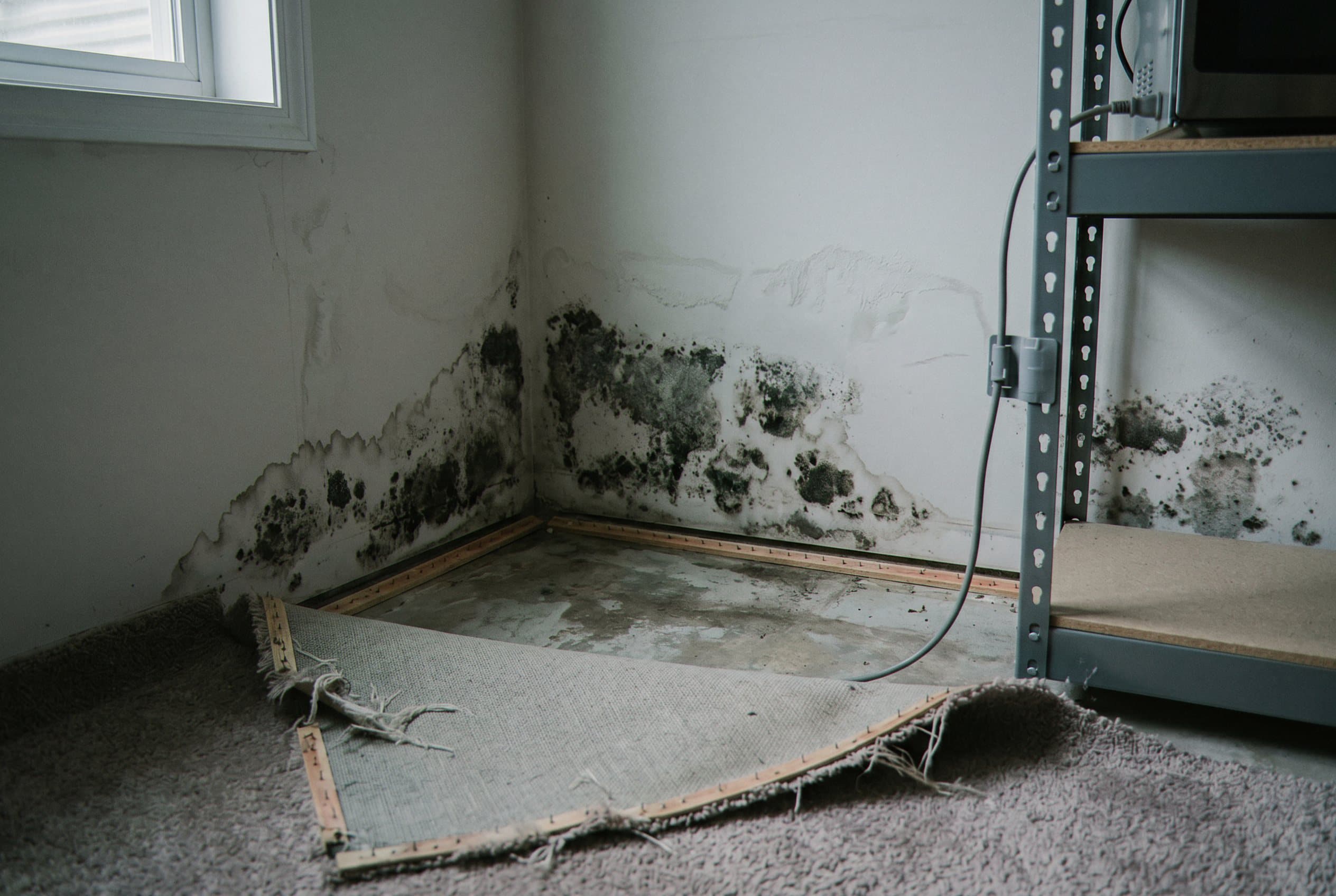
Black mold visible on wood studs
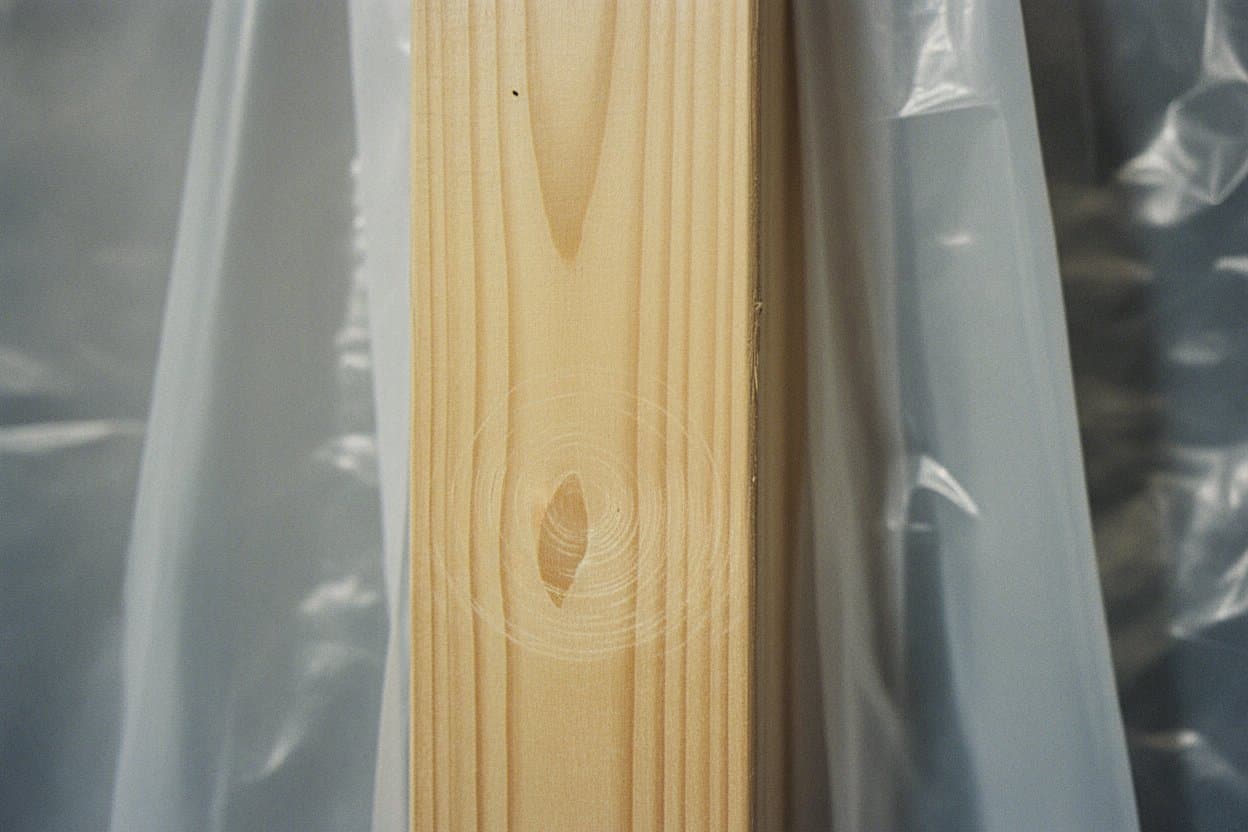
Close-up mold growth on wood surface
What we do

Mold removal handled straight from the source

Mold is the part of water damage you rarely get to see. It grows behind drywall, under floors, and inside wall gaps where damp sits long after a leak. By the time you catch a musty smell or spot a dark patch, the mold has spread past the surface. Our crew shows up, reads every wet spot with meters and cameras, and maps how far it went before we open a single wall.

Once we know the spread, we seal the room with plastic sheeting and run negative air so spores stay out of your clean spaces. We take out the material that cannot be saved, scrub what can be kept, and treat the surfaces left behind. The EPA and the IICRC both stress one point we honor on every job. Fix the water first, or the mold returns to the very same spot.

  • We trace the moisture back to its source so the mold loses what it needs to grow
  • We seal the work zone and run air scrubbers so spores stay out of the rest of your home
  • We follow EPA and IICRC guidance on containment, removal, and cleaning
  • We photograph what we find so you can see the problem and the work we did
  • We take the job ourselves and get a crew to your Sterling Heights home quickly
We do not paint over mold and call it done. We find the water, stop it, and clear the growth so the air in your home reads clean again.

Every home in Sterling Heights holds damp in its own way. A finished basement, a slab ranch, and a two story colonial each tuck moisture into different corners. Our crew has worked on all of them across Macomb County. When we finish, we tell you in plain words what fed the growth and what to keep an eye on so a small patch never turns into a big one.

If you catch a musty smell or watch a stain keep creeping, do not wait it out. Call us. We will come look, tell you what is really going on, and get the mold out of your Sterling Heights home.

Materials

What We Set Up Before We Open a Wall

Before we pull anything out, we build the work zone. Plastic sheeting goes up over the doorways, and we tape off the vents so the furnace does not push spores through the rest of the house. Then we run an air scrubber with a HEPA filter and hold the room under suction, so air moves in and never back out. First we map the damp with meters and a thermal camera. The wet line almost always runs past the stain. Wall board, insulation, and carpet pad that soaked up water get cut out and bagged right where they sit. Framing and hard surfaces get scraped, vacuumed with HEPA gear, and wiped down. Last, we treat what is left and set drying gear so the wood reads dry before we close a thing back up.

What we will not do is spray a coating over the mess and call it handled. Mold needs water. So the water is the first thing we chase, whether that is a supply line dripping inside a wall, a downspout dumping against the foundation, or a lower level that stays damp from June through September. Miss that part and the growth comes right back after any cleaning. Homes here sit on heavy clay, and basements in Sterling Heights hold humidity deep into the summer. That is why we read the air and the moisture in the whole room, not just the patch you can see. We take a reading every day we are on site and write it down. When the numbers hold at a dry standard for the material, the gear comes out. You get photos of the cavity we opened, a plain list of what left the house, and the honest reason it grew right there.

  • Plastic containment with negative air on every work zone
  • HEPA filtered air scrubbers running for the length of the job
  • Moisture meters and a thermal camera to map the damp
  • Soaked porous material bagged and carried out, never washed
What about the alternatives?

Ways to Deal With Mold, Weighed Straight

Not every spot of mold needs a crew and a plastic wall. Some of it you can wipe up on a Saturday. Here is how the common choices hold up in a Sterling Heights house, including the two we tell people to leave alone.

Our crew handles the whole job

We find the water, seal the room, take out the material that cannot be saved, clean what can, and dry the structure until it reads right. You get photos and daily readings, and the source gets fixed so the growth has nothing to come back to.

Recommended

Cleaning a small patch yourself

The EPA puts the line for a homeowner at about ten square feet, roughly a small closet wall. Surface growth on tile or painted trim after a spill is fair game. Anything bigger, or anything living inside a wall, belongs to us.

Acceptable

Getting a plumber or roofer out first

Smart when the leak is still running, because we cannot dry a wall that keeps getting fed. The repair and the mold work are two separate jobs. Get the water shut off, then call us for the removal and the drying.

Acceptable

Hiring a separate air quality tester

Worth it when somebody in the house is sick, or when a buyer, a lender, or a landlord wants a number on paper. Testing tells you what is floating around. It removes nothing, so the cleanup is still coming either way.

Acceptable

Bleach on drywall and framing

Bleach is mostly water, and porous material drinks it right in. The color fades, the roots stay, and you just added moisture to the one spot that already had too much of it. It looks solved for a month or two.

Skip

Painting over the stain

Mold resistant paint is made for a clean dry surface, not for growth that is already there. Paint traps it, the smell keeps coming back, and the next inspector or the next buyer finds it anyway. This one costs you twice.

Skip
How it goes

From quote to walk-on, fast.

01

Emergency call & dispatch

02

Inspect & extract

03

Dry & dehumidify

04

Clean, repair & restore

Before you book

Straight Answers to the Mold Questions We Hear Most

We field the same handful of questions on almost every mold call in Macomb County. Here is how we answer them at the kitchen table, before anybody talks about scope or money.

Can you just spray it and be gone?
No, and we would not take your money for that. A spray kills what it touches on the surface. It does nothing for growth inside insulation or on the back of wall board, and it does nothing about the water that started the whole thing. We take out the material holding the growth, clean what stays, then treat the surfaces.
Do I need a mold test before you start?
Often you do not. When we can see it and smell it, a test only puts a number on what is already in front of us, and that money does more good in the removal. Testing earns its keep when the source is hidden, when a doctor is asking questions, or when a sale or a lease depends on a written result.
Is black mold worse than the rest?
The EPA takes the position that indoor mold gets handled the same way no matter the color, because you cannot judge a species by looking at it. Some people react hard to growth that others walk right past. We do not sell you a scary name. We contain it, remove it, and fix whatever fed it.
How fast can you get started in Sterling Heights?
Our line is open at any hour, and most of the time we can look at it the same day or the next. After a wet stretch the whole county calls at once, so instead of promising a clock time we tell you when we are actually rolling. If water is still running, we walk you through shutting it off while we head your way.
Will insurance pay for the mold work?
That call belongs to your carrier, not to us. What we can do is hand the adjuster what they ask for, which is dated photos, daily moisture readings, and a written scope of what came out and what got dried. Many policies treat mold from a sudden leak one way and mold from a slow drip another, so tell them when you first noticed it.
Do we have to move out while you work?
Usually not. The work zone stays sealed and under negative pressure, so the rest of the house keeps running. Expect noise, fans, and doorways hung with plastic for a few days. If the growth reaches shared air or a bedroom sits inside the zone, we say so plainly and help you plan a few nights somewhere else.
Aftercare

Keeping It From Growing Back

Mold is a moisture problem wearing a costume. Once the growth is out, the whole job is keeping the damp from returning. Summers here run humid, and the clay under Macomb County keeps lower levels cool and wet, which is a fine recipe for the stuff. A basement sitting near sixty percent humidity in August will find something to grow on. Winter brings its own version, when warm indoor air meets cold glass and cold rim joists and leaves water behind. Most of what keeps a house clear is dull and cheap. Move roof water away from the wall, run the fan, and look at the spots you never look at.

  • Hold basement humidity near fifty percent with a dehumidifier that drains on its own
  • Point downspouts well away from the foundation and keep the gutters running clear
  • Run the bath fan through the shower and after it, and check that it vents outside
  • Look under sinks and behind the washer each season for the slow drip nobody hears
  • Test the sump pump before spring rain and again before any long stretch away from home
  • Wipe winter condensation off the windows and watch the rim joists above the basement wall
Black mold visible on wood studs
FAQ

Mold questions from Sterling Heights homeowners

How fast can you get to my Sterling Heights home?
Our line is open at any hour. After a big rain, every crew in Macomb County is out at the same time, so rather than promise a number of minutes we tell you when we are actually leaving, and talk you through shutting the water off in the meantime.
What should I do before you arrive?
Close the main if you can get to it without standing in water. Stay clear of the panel and anything plugged in near the floor. Photograph each room before things get moved, and pull what you can up off the wet carpet.
Do you deal with the insurance company?
We produce what the adjuster needs: moisture readings taken daily, photographs of every affected area, and a written scope of what was removed and what was dried. We speak with them directly. Coverage is decided by your carrier, and we do not speculate about it.
How long until the equipment comes out?
Three to five days on most jobs. The clay under a lot of this area keeps basements damp to begin with, and that slows things down, so lower levels sometimes need longer. Readings against the IICRC dry standard decide it, not the calendar.
Will there be mold?
The window is about 24 to 48 hours once material is wet. Get it dry inside that and mold usually never starts. Miss it by a week and the job changes character entirely.
Ready when you are

Water in your Sterling Heights home?

Call now or send the form. We answer fast and tell you exactly what happens next.

Get a free quoteCall (586) 275-5556
CallFree Quote