
Water Damage Repair & Reconstruction · Sterling Heights

Water Damage Repair and Reconstruction in Sterling Heights, MI

Once your home is dry, we put it back together. Our crew rebuilds the walls, floors, and trim the water tore out.

Free Quote

Free Water Damage Repair & Reconstruction quote.

We reply within 1 business hour. No spam, ever.

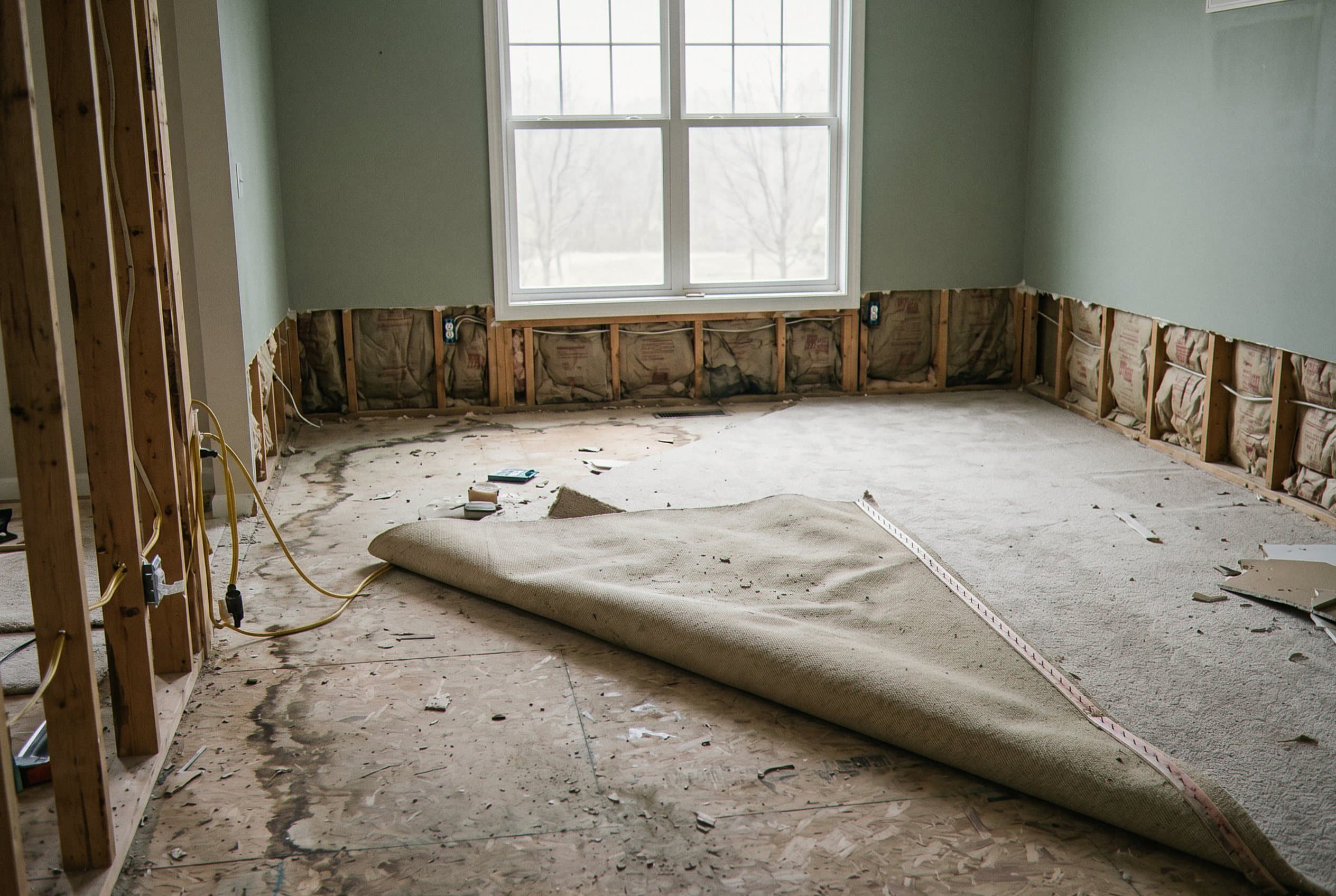
Drywall opened showing water penetration
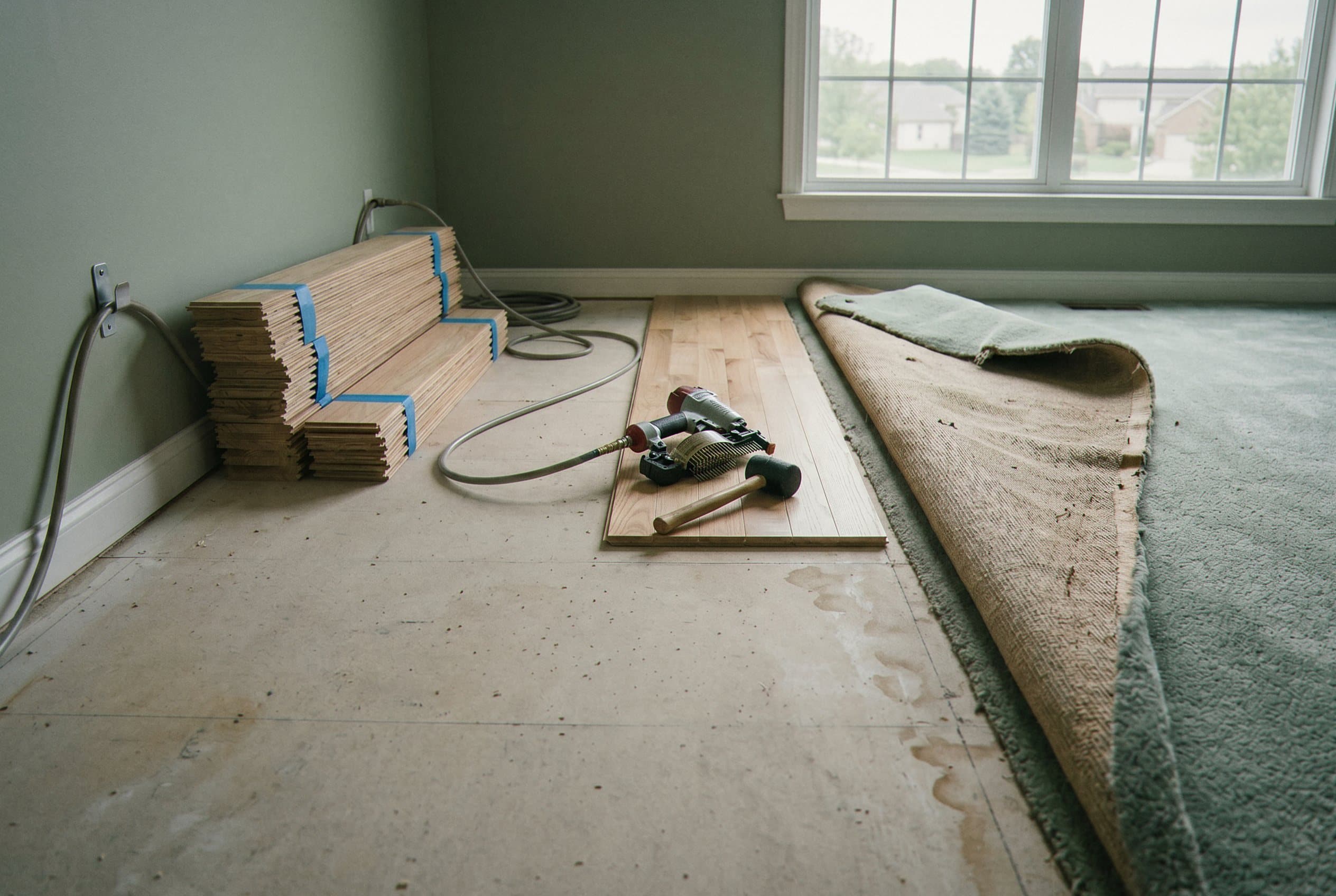
Repair materials equipment staged ready
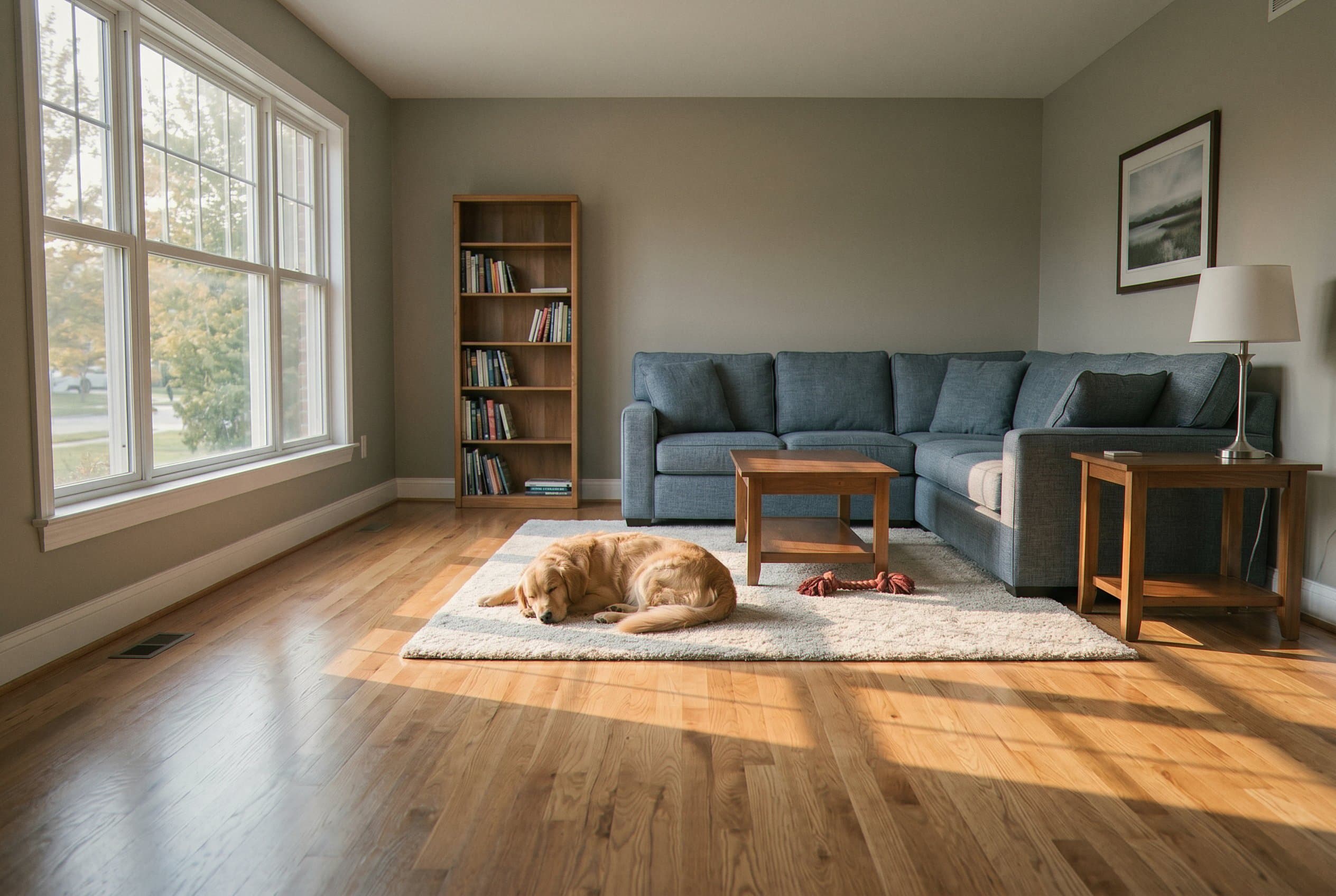
New painted wall seamlessly blended
What we do

We Rebuild Your Sterling Heights Home Back to Normal

Drying the structure stops the harm, but it leaves your home torn open. The baseboards are gone, the drywall is cut away, and the floor may sit down to bare subfloor. Once our drying crew confirms the moisture readings hold, the repair phase begins. We close the walls back up, lay the new flooring, and hang the trim, the last step in our full water damage restoration services. The day your home stops looking like a job site is the day this work is for.

We will not slap a patch over wet framing and call it done. Every board we set back goes over a surface our meter already read as dry. We match the fresh drywall to the old, float the seams, and sand them until no ridge shows. Then we prime and paint the wall so it blends with the rest of the room. When the rebuild is done right, you should not be able to find where the water came in.

  • New drywall hung, taped, and sanded so the repair line vanishes
  • Flooring replaced to match your room, not a patch that stands out
  • Trim, baseboards, and doors set back the way they sat before
  • Paint blended across the whole wall so the fix stays hidden
  • One crew from the first wet floor through the final coat of paint
We are not done when the home is dry. We are done when it looks like the water never came.

Most Sterling Heights homes share the same bones, from the brick ranches off Dodge Park to the newer builds near Lakeside. We have put enough of them back together to know how a finished basement goes in and how a main floor should sit. Because the same crew dries your home and then rebuilds it, nothing slips through the gap between two outfits. We already know which walls we opened and why. That memory means a faster, cleaner rebuild for you.

If the water is gone but your home is still torn up, the rebuild is the part that makes it whole again. Call us, and our Sterling Heights crew will walk the damage, map the repairs, and put your house back together. One call starts the work that turns a wreck back into a home.
Materials

What We Use to Put the Room Back Together

A rebuild is no place for anything fancy. We put back the same kind of material your home had before the water, then match it so the repair reads as part of the room and not a scar across it. Most walls call for new drywall in the same thickness as the old board. We tape it, float it, and sand it until the joint vanishes under primer. In a basement bath or a laundry room we set moisture resistant board instead, because those rooms stay damp on an ordinary day and the old paper faced board gives up fast. Subfloor gets cut out anywhere the plywood swelled. New flooring over a soft deck will show every dip within a season. Trim gets matched by profile. When a profile has been gone from the shelves for thirty years, we hunt down the closest run we can find and blend it into the room so your eye never stops on it.

The order matters as much as the material. We do not open a box until the moisture numbers hold flat for days on end, which is the drying standard the IICRC lays out and the bar any honest crew works to. Framing that still reads wet keeps giving off moisture behind a closed wall. That is how a clean rebuild turns into a mold call in July. So we check the numbers, then we hang board, then we paint. Paint is the last step. We carry it corner to corner instead of blending a patch in the middle of a wall, because a spot repair flashes the moment afternoon light comes through a west window and every guest sees it. Flooring goes down last, after every wet trade is off the job, so nothing new gets soaked twice.

  • New drywall matched to the old board thickness and finish
  • Moisture resistant board where basements and baths stay damp
  • Swollen subfloor cut out and replaced before any new flooring goes down
  • Trim and casing matched by profile, then primed and painted to blend
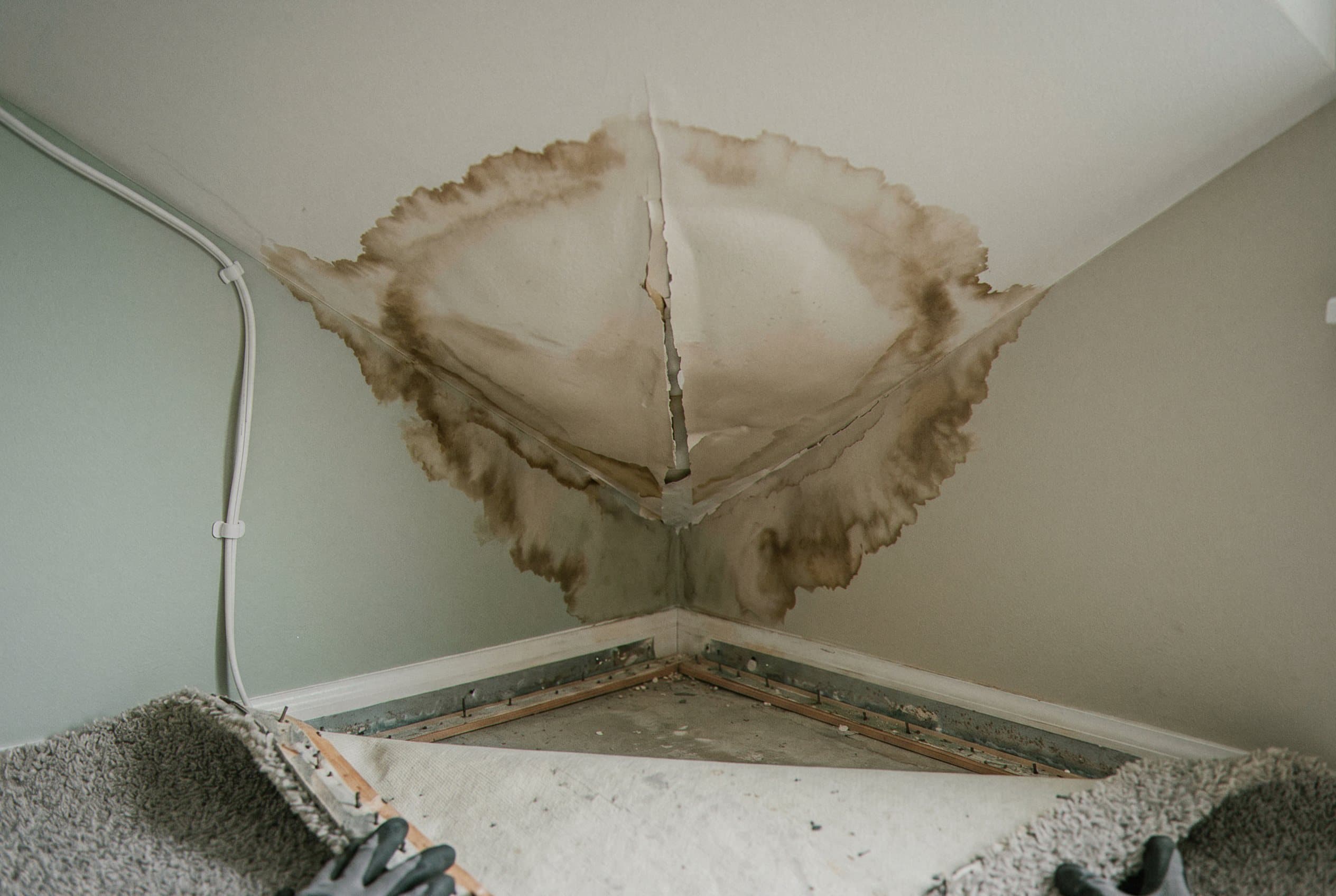
Ceiling damaged from water intrusion
Hardwood floor professionally restored
What about the alternatives?

Ways to Handle the Rebuild After Water Damage

Once the drying equipment rolls out, you have to decide who closes the house back up. Some paths work fine. Others cost you the same money twice. Here is our honest read on each one, including the ones that send work away from us.

One crew from extraction through final paint

We already know which walls we opened, how far the water traveled, and what the meter read the day we stopped drying. That memory takes the guesswork out of the rebuild, and it means nobody gets to blame the other outfit for a seam that cracks in March.

Recommended

Bring us in to rebuild after another company dried it

We take these jobs often and we are glad to. We just start by pulling our own moisture readings, because we will not close a wall on a number we did not read ourselves. Expect one short visit before any material shows up at your door.

Acceptable

We finish the walls, you handle the flooring later

Plenty of owners want flooring on their own timeline. We can stop at painted walls with the subfloor sound, flat, and ready, then step back so your flooring plan takes over whenever you are ready for it.

Acceptable

Patch only the cut squares and skip the full wall

In a garage, a utility room, or the space behind a washer this is a fair call and it saves you material. In a finished living room that patch reads as a shadow across the wall the minute the sun moves.

Acceptable

Hang new drywall over framing that still reads wet

This is the most common way a water job comes back around. The wall looks finished on Friday, the room smells like a pond by the next month, and then the whole rebuild gets torn out and paid for a second time.

Skip

Leave the walls open and deal with it next year

Open cavities gather dust, bleed heat out of the room all winter, and hand any small drip a clear path into the framing. Waiting also makes the paint match harder, because the rest of the room keeps fading while you think about it.

Skip
How it goes

From quote to walk-on, fast.

01

Emergency call & dispatch

02

Inspect & extract

03

Dry & dehumidify

04

Clean, repair & restore

Before you book

The Questions We Get Before a Rebuild Starts

Owners around Sterling Heights ask us the same handful of things once the fans come out of the room. Here is where we stand on each.

How do you know my home is dry enough to close up?
We read it rather than guess it. Meters go into the framing, the subfloor, and whatever drywall stayed, and we compare those numbers against dry material in a part of the house the water never touched. When the wet spots settle at the same reading as the dry ones and hold there across consecutive days, the structure is ready. That method follows the IICRC drying standard, and we will walk you through the readings before a single sheet of board goes up on your wall.
Will the new paint match the rest of my room?
On the wall we repair it will, because we roll that wall corner to corner instead of dabbing at the patch. Across a whole room it depends on how old the existing paint is. Sun and time shift a color even when the can says the same name. If the room still reads uneven to you once the repair wall is done, we will say so plainly and tell you that rolling the other walls is the real fix.
How long does the rebuild take?
It tracks the size of what we opened. One bedroom wall with trim and paint moves quickly. A finished basement with framing, board, flooring, and a bath runs longer, because mud has to dry between coats and flooring wants a stable room before it goes down. You get the sequence at the walk through, and we update it if we find more damage once a wall is open, which does happen.
How fast can you get started in Sterling Heights?
This is home ground for our crew, so the drive is short whether you sit near Dodge Park, off Van Dyke, or over toward Hall Road. Once drying is verified we can usually put a crew on the rebuild without a long wait. If we are holding for a trim or flooring match, we say that up front instead of tearing into a room we cannot finish on schedule.
Can I stay in the house while you rebuild?
Most of the time, yes. We work one area at a time, seal the work zone, and keep the dust where it belongs so the rest of the house stays livable. If the kitchen or your only bathroom is the room under repair, we map the schedule with you so the hard days are as few as we can make them. You will know that plan before we cut anything.
Do you handle the paperwork side with my insurer?
We document our half of it carefully. Photos of everything the water reached, the meter logs from the drying phase, and a plain scope of what we rebuilt and why. That is the record an adjuster wants in front of them. We cannot speak to what your policy covers or argue the claim for you, but you will never be the one hunting for proof of what happened in your own house.
Aftercare

Caring for the Repaired Space Through the First Year

A fresh rebuild settles. Drywall mud keeps giving up moisture for weeks, new trim moves a little as the furnace dries the house through a Macomb County winter, and paint takes a while to cure hard. None of that is trouble. It is just wood and mud doing what they do. The habits below help the work hold, and they help you catch it early if water ever finds the same path again. The repaired wall is the cheapest leak alarm you own, because you know exactly how it looked the day our crew packed up and drove off.

  • Keep a little of the finish paint we used so touch ups match a year from now.
  • Watch the new seams and trim joints through the first heating season, when the house dries out fast.
  • Run a dehumidifier in a finished basement and hold the room near forty five percent through the humid months.
  • Look at the repaired wall after every heavy rain and every spring thaw for fresh staining or a soft spot.
  • Make sure the source got fixed too, whether that was a hose, a sump pump, or the grade outside the foundation.
  • Give new flooring a few weeks before you slide heavy furniture back across the fresh seams.
Drywall opened showing water penetration
FAQ

Common Questions About Water Damage Repairs

How fast can you get to my Sterling Heights home?
Our line is open at any hour. After a big rain, every crew in Macomb County is out at the same time, so rather than promise a number of minutes we tell you when we are actually leaving, and talk you through shutting the water off in the meantime.
What should I do before you arrive?
Close the main if you can get to it without standing in water. Stay clear of the panel and anything plugged in near the floor. Photograph each room before things get moved, and pull what you can up off the wet carpet.
Do you deal with the insurance company?
We produce what the adjuster needs: moisture readings taken daily, photographs of every affected area, and a written scope of what was removed and what was dried. We speak with them directly. Coverage is decided by your carrier, and we do not speculate about it.
How long until the equipment comes out?
Three to five days on most jobs. The clay under a lot of this area keeps basements damp to begin with, and that slows things down, so lower levels sometimes need longer. Readings against the IICRC dry standard decide it, not the calendar.
Will there be mold?
The window is about 24 to 48 hours once material is wet. Get it dry inside that and mold usually never starts. Miss it by a week and the job changes character entirely.
Ready when you are

Water in your Sterling Heights home?

Call now or send the form. We answer fast and tell you exactly what happens next.

Get a free quoteCall (586) 275-5556
CallFree Quote